







Discover Vahdam®'s Chai Teas, a Rich Blend of Bold Spices and Premium Indian Teas. From Classic Masala to Unique Flavors, Savor the Authentic Taste of India in Every Cup.

Chai Tea: Indian Chai Guide, Ingredients, Flavours & How to Brew
What Is Chai Tea?
In India, "chai" simply means tea. Ask for chai anywhere from a busy railway platform to a hillside dhaba and you'll get the same thing: strong black tea simmered with spices, milk and sugar, poured steaming into a cup or a clay kulhad. Of course "chai tea" technically translates to "tea tea", but we'll let that one go!
At its heart, chai is black tea, spices, water and milk, plus sugar or jaggery if you like it sweet. The spice mix is where it gets personal. Every household has its own version: more ginger in winter, extra cardamom when guests come over, a stronger brew for early mornings. That's exactly why there's no single "authentic" chai recipe. The authentic one is the one you grew up with.
How you make it at home comes down to how much control you want:
Ready-blended chai: the tea and spices are pre-measured and balanced for you, so every cup tastes consistent. It comes in loose-leaf and tea-bag formats.
Loose-leaf chai: tea and cut spices you simmer on the stove. It gives the fullest flavour and lets you adjust strength easily.
Tea-bag chai: pre-portioned and quick, ideal for the office or a fast, no-fuss cup. You can still simmer a bag with milk for a richer result.
Chai from individual spices: total control over the blend, but it means keeping a full spice cupboard and getting the balance right every time.
What's In A Standard Masala Chai?
"Masala" means spice mix, so masala chai is simply spiced tea. No two blends are identical, but most are built on the same handful of ingredients. Here's what each one brings to the cup.
Black Tea
The tea isn't just a carrier for the spices; it's the backbone of the cup. Black tea gives chai its body, its deep amber colour and its caffeine. In India, that usually means a strong, malty tea that holds its own once milk and spices go in, which is why stronger teas work so well here. Use a weak tea and it disappears entirely, leaving you with spiced milk. That's why the tea base matters as much as the masala.
Cardamom
Taste: Sweet, aromatic, floral and slightly citrusy.
Role in chai: Cardamom is the fragrance of Indian chai, the aroma that drifts out of every chai stall. It adds a sweet perfume that lifts the whole cup.
Cinnamon
Taste: Warm, woody, sweet and mildly spicy.
Role in chai: Adds warmth and a natural sweetness, so you may find you need less sugar.
Ginger
Taste: Sharp, warm, peppery and slightly citrusy.
Role in chai: Adds heat and freshness. Fresh ginger gives a zingier bite; dried ginger is warmer and more mellow. It's the spice most households reach for more of in winter.
Clove
Taste: Intense, warm, pungent and slightly sweet.
Role in chai: Adds depth. Use it carefully: one or two cloves are plenty, because clove can quickly dominate everything else in the cup.
Black Pepper
Taste: Peppery, warm and pungent.
Role in chai: Adds a gentle heat at the back of the throat and balances the sweeter spices, so the cup never tastes cloying.
Saffron
Taste: Delicate, floral, earthy and subtly honeyed.
Role in chai: Adds aroma, a golden hue and a more luxurious flavour. Traditionally, saffron chai is the one saved for special occasions.
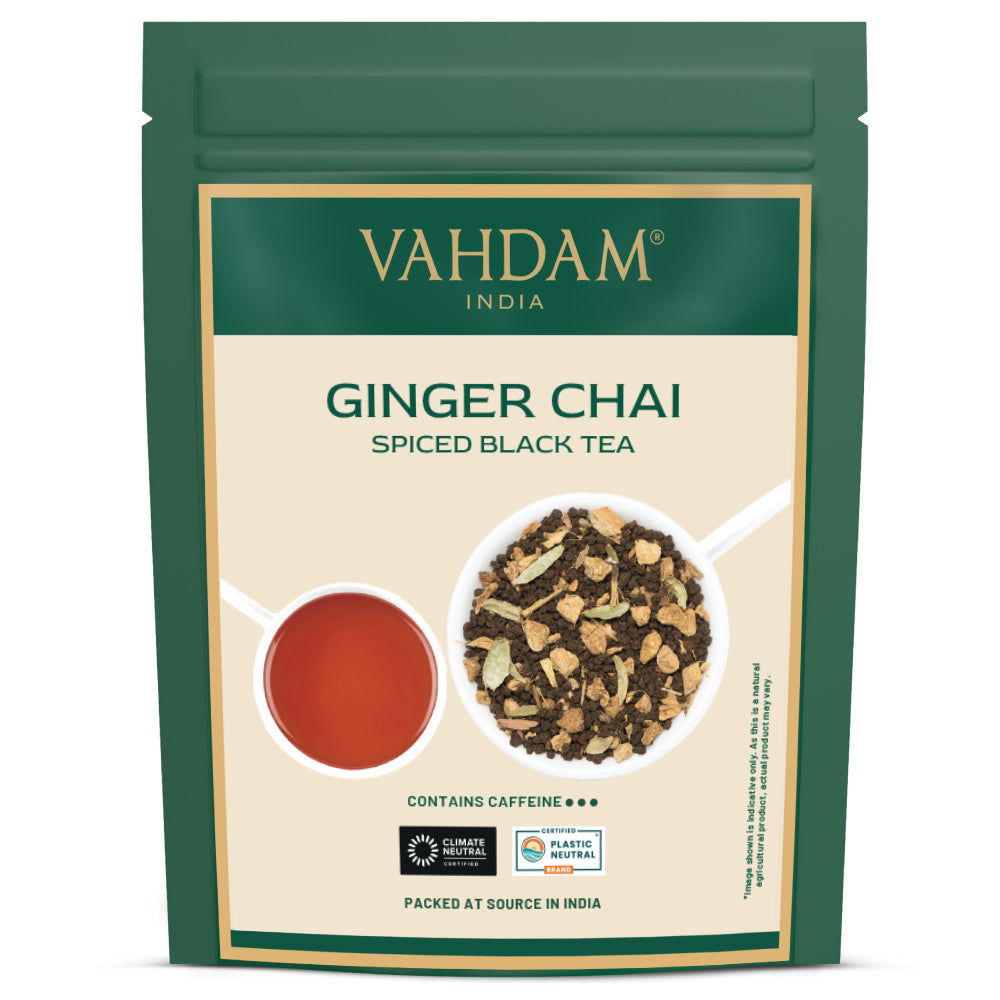
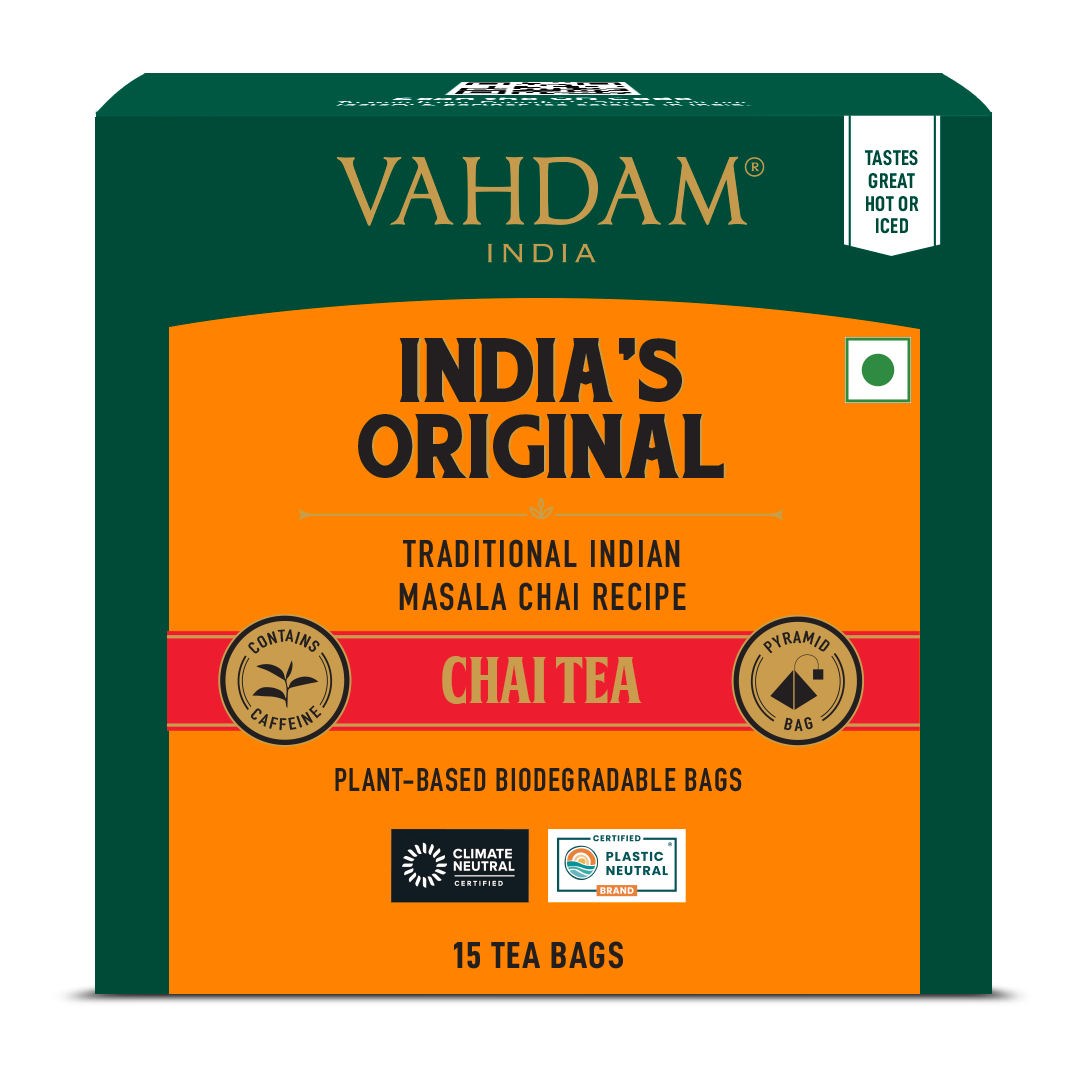
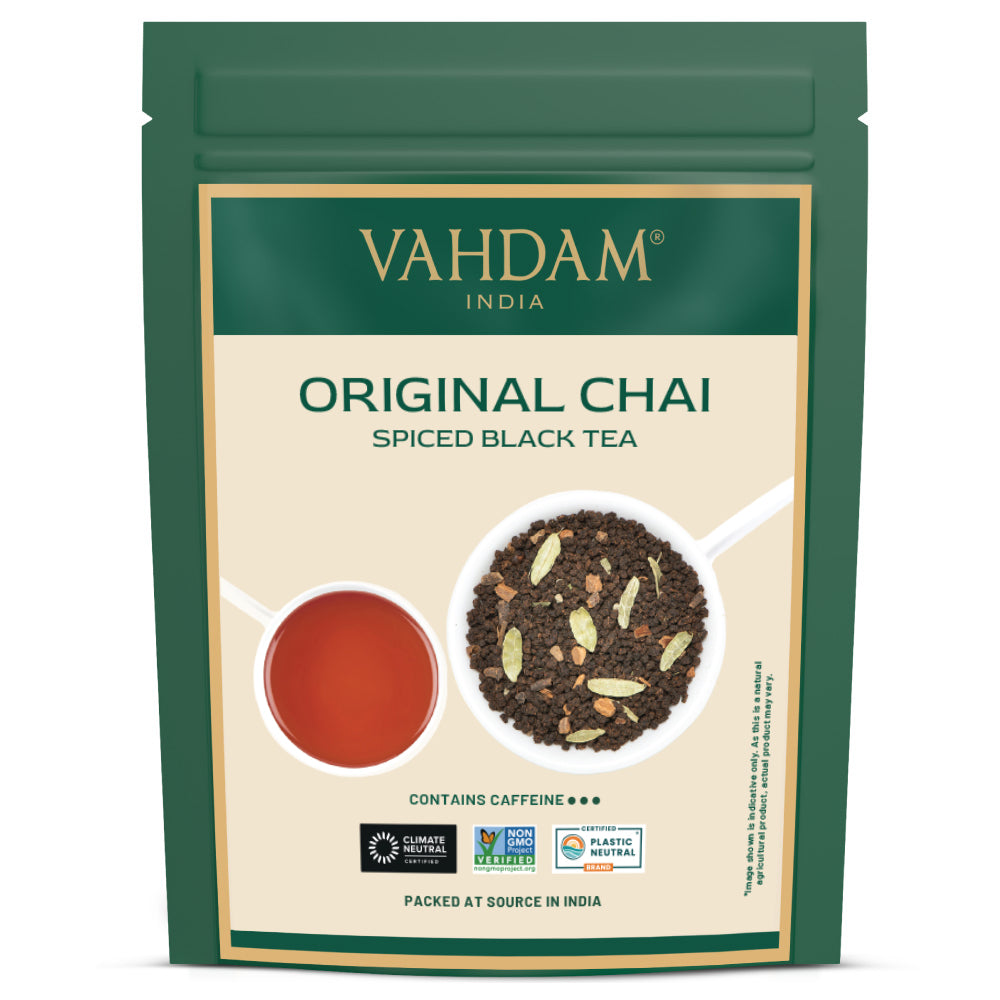
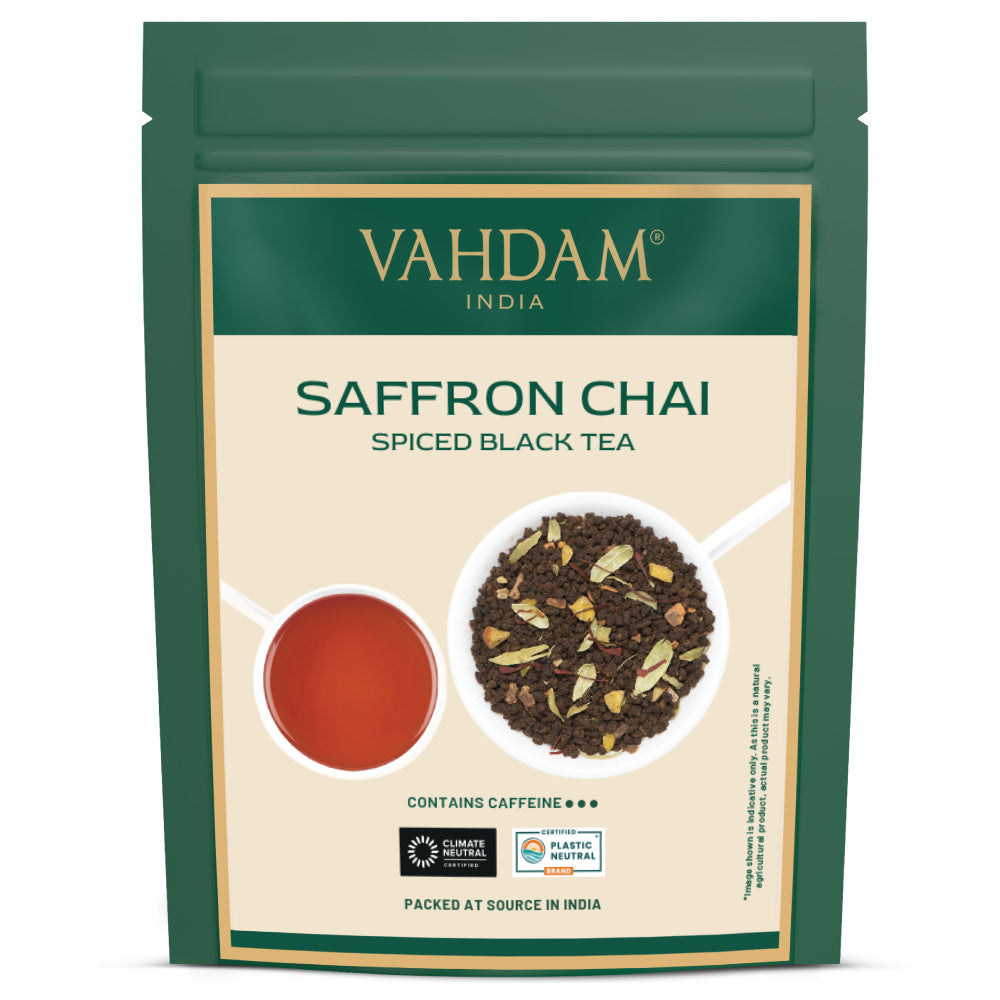
You'll find these spices across our range: India's Original Masala Chai combines black tea with cardamom, cinnamon, black pepper and clove, while our Saffron Premium Masala Chai adds saffron sourced from Jammu & Kashmir.
Chai Tea Flavours: Which One Should You Choose?
Every chai on this page is a masala chai, but each one leans a different way. Pick by the flavour you crave:
| If You Prefer... | Look For | Key Ingredients | Taste Profile | VAHDAM Chai to Try |
|---|---|---|---|---|
| Classic masala chai | Balanced spice blend | Cardamom, cinnamon, clove, pepper | Spicy, bold, aromatic | India's Original Masala Chai |
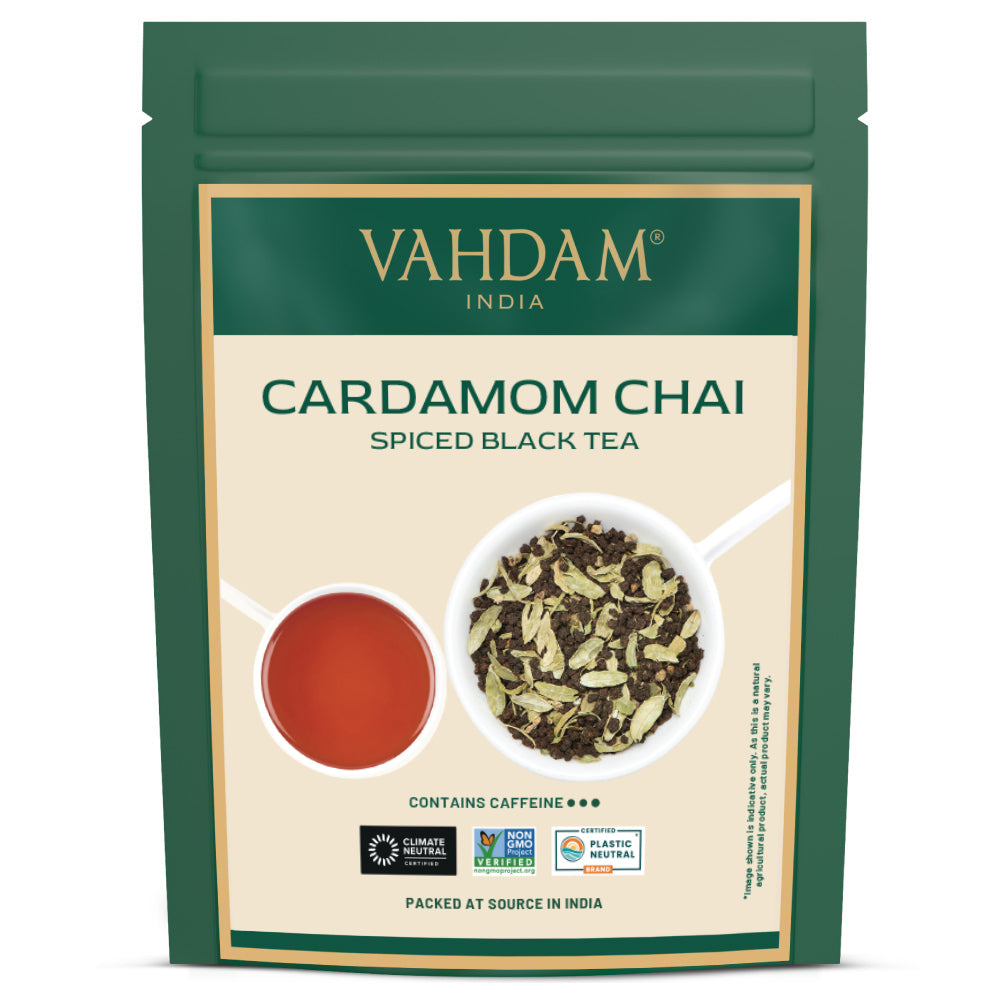
| More cardamom | Cardamom-forward chai | Cardamom + black tea | Sweet, aromatic, warm | Cardamom Masala Chai |
| Ginger warmth | Ginger-forward chai | Ginger + spices | Spicy, zesty, warming | Ginger Masala Chai |
| Rich & luxurious | Saffron chai | Saffron, cardamom, cinnamon, clove | Rich, floral, aromatic | Saffron Premium Masala Chai |
| Strong & robust | High-caffeine black-tea base | Black tea + warming spices | Bold, full-bodied | India's Original Masala Chai |
| Convenient everyday chai | Tea bags | Chai blend in pyramid bags | Spicy, bold, aromatic | India's Original Masala Chai |
Not sure where to start? India's Original Masala Chai is our balanced, classic blend, and the one most people fall for first.
How to Make Chai Tea At Home: Water, Milk, Spice Ratios & Steeping Instructions
Making masala chai at home is less about following one "authentic" recipe and more about finding your balance of tea, water, milk and spices. The golden rule: brew the tea and spices strongly enough that their flavour still comes through once the milk goes in.
A Simple Masala Chai Ratio to Start With
For 2 cups of chai, start with:
| Ingredient | Starting Amount |
|---|---|
| Water | 1 cup |
| Milk | 1 cup |
| Loose-leaf black tea | 2 tsp |
| Fresh ginger | ½–1 inch, sliced or crushed |
| Cardamom | 2–3 pods, lightly crushed |
| Cinnamon | 1 small piece |
| Clove | 1–2 |
| Black pepper | 2–3, lightly crushed |
| Sugar | 1–2 tsp, or to taste |
| This gives you a 1:1 water-to-milk ratio, which you can adjust to suit how you like your chai. Use more water for a stronger tea and spice character, or more milk for a creamier, softer cup. Using a ready-blended chai like India's Original Masala Chai? Swap the tea and individual spices for the blend, using the quantity on the pack. | Should You Brew Chai in Water or Milk? |
| Start by brewing the tea and spices in water. Water extracts the tea and spices before the milk goes in, which makes it much easier to control the strength of your chai. For the ratio above: | Bring 1 cup of water to a simmer. |
| Add the ginger, cardamom, cinnamon, cloves and pepper. | Simmer the spices for 2–3 minutes. |
| Add 2 tsp black tea. | Simmer or steep for another 2–3 minutes, depending on how strong you like your tea. |
| Add 1 cup milk and bring the chai back to a gentle simmer. | Add sugar to taste, then strain and serve. |
| For a lighter chai, shorten the spice simmer. For a stronger, more robust cup, let the spices and tea infuse for longer, but avoid boiling the tea hard for too long, as that makes the cup increasingly bitter and astringent. | How Much Milk Should You Add To Your Chai? |
| A 1:1 water-to-milk ratio is a useful starting point for classic Indian-style chai. From there: | More water: stronger tea and spice character. |
| Equal water and milk: balanced, everyday chai. | More milk: creamier, richer and softer. |
| Little or no milk: lets the black tea and spices take the lead. | You can also use oat, soy or almond milk for a plant-based chai. Each one changes the sweetness, body and overall flavour a little, so it's worth trying a couple to find your favourite. |
| How Long Should Chai Steep? | There isn't one perfect steeping time, because chai depends on the tea, the spices and how you're making it. As a starting point, simmer whole spices for 2-3 minutes, then give the tea around 2-3 minutes before adding milk. |
| If you're using one of our chais, follow the brewing instructions for that particular blend. For example, India's Original Masala Chai recommends 90-100°C water and 3-5 minutes of brewing, and it's lovely with or without milk and sugar. | How Much Sugar Should You Add? |
| Start with 1-2 teaspoons for two cups and adjust to taste. Sugar isn't just about sweetness: it softens the natural bitterness of black tea and balances the heat of ginger, pepper and other spices. You can also experiment with jaggery or other sweeteners, which bring their own flavour and give the chai a slightly different, more caramel-like character. | Why Choose VAHDAM Masala Chais? |
| Every masala chai on the shelf claims to be authentic. Here's what we think actually makes a better cup: | Better tea as the base: the black tea isn’t just a carrier for spices; it gives chai its body, colour and depth, and it’s what lets the cup stand up to milk instead of tasting like spiced milk. That’s why we build our chais on malty, robust Assam black tea, blending bold CTC granules with orthodox leaves rather than the fine tea dust packed into most chai bags. The same tea goes into our loose-leaf packs and our long-leaf pyramid tea bags, which give the leaves room to unfurl, so even a quick tea-bag chai brews full-bodied, never flat or bitter. |
| More deliberate spice blending: a premium chai should taste balanced, not like one spice shouting over the rest. Cardamom should add fragrance without masking the tea; ginger should bring warmth without making the cup aggressively hot; clove should add depth without taking over. | Multiple chai profiles, not one generic blend: classic, cardamom-forward, ginger-forward and saffron, so you can choose the chai that matches how you like it. |
| Spices sourced from where they grow best: we source our cardamom and black pepper from Kerala and our cinnamon from Karnataka for India’s Original Masala Chai. For our Saffron Premium Masala Chai, the saffron comes from Jammu & Kashmir. | Loose-leaf and tea-bag options: loose leaf for a proper stovetop chai, tea bags for quick, consistent cups. |
| Tasting notes and brewing instructions for every blend: each product page tells you how the chai tastes and exactly how to brew it. | Freshness, protected: tea and spices start losing aroma as soon as they're exposed to oxygen, moisture, heat and light, and the aromatic oils in cardamom and ginger fade especially fast. That's why we pack our chai fresh at source in India. Once you open a pack, keep it sealed in an airtight container in a cool, dark cupboard, away from the heat of the stove. |
Chai Tea FAQs
What is chai tea?
Chai is the Hindi word for tea. In India, it usually means black tea simmered with spices, milk and sugar, also known as masala chai.
What spices are commonly used in masala chai?
The most common are cardamom, cinnamon, ginger, clove and black pepper. Some blends also add saffron, fennel, nutmeg or star anise.
How do you make chai tea with milk?
Simmer the spices in water for 2-3 minutes, add black tea and brew for another 2-3 minutes, then add milk and bring it back to a gentle simmer. Sweeten, strain and serve.
How long should chai tea steep?
As a starting point, simmer whole spices for 2-3 minutes and the tea for another 2-3 minutes before adding milk. For our blends, follow the pack: India's Original Masala Chai recommends 3-5 minutes at 90-100°C.
Should you add milk before or after brewing chai?
After. Brewing the tea and spices in water first extracts more flavour and makes the strength easier to control. Add milk once the tea has brewed, then simmer gently.
Can you make chai with oat or almond milk?
Yes. Oat milk gives the creamiest, most dairy-like result, while almond and soy milk are lighter. Heat plant milks gently, as some can split if boiled hard.
Is chai tea caffeinated?
Yes. Masala chai is made with black tea, so it contains caffeine, typically similar to a cup of black tea and less than a strong coffee. Adding milk doesn't remove the caffeine.
What is the difference between masala chai and regular chai?
In India, "chai" can mean any milky tea, spiced or not. Masala chai specifically means chai brewed with a spice blend (masala) such as cardamom, ginger and cinnamon.
Is loose-leaf chai better than chai tea bags?
Loose-leaf chai usually has larger tea pieces and coarser-cut spices that hold their aroma longer and give a fuller cup. Tea bags are quicker and more convenient. Both make an excellent chai.
Why is premium chai more expensive?
Better tea, better spices and better balance. Premium chai uses stronger, higher-quality black tea and real, traceable spices like Kerala cardamom or Kashmiri saffron, which cost more than spice dust and flavourings.
Can you make iced chai?
Yes. Brew a double-strength chai in water, sweeten it while it's hot, let it cool, then pour over ice and top with cold milk.
Show Us Some Love On